

Vintage Mechanical Watches Maintain Interest Among Collectors Due to Craftsmanship and Historical Significance
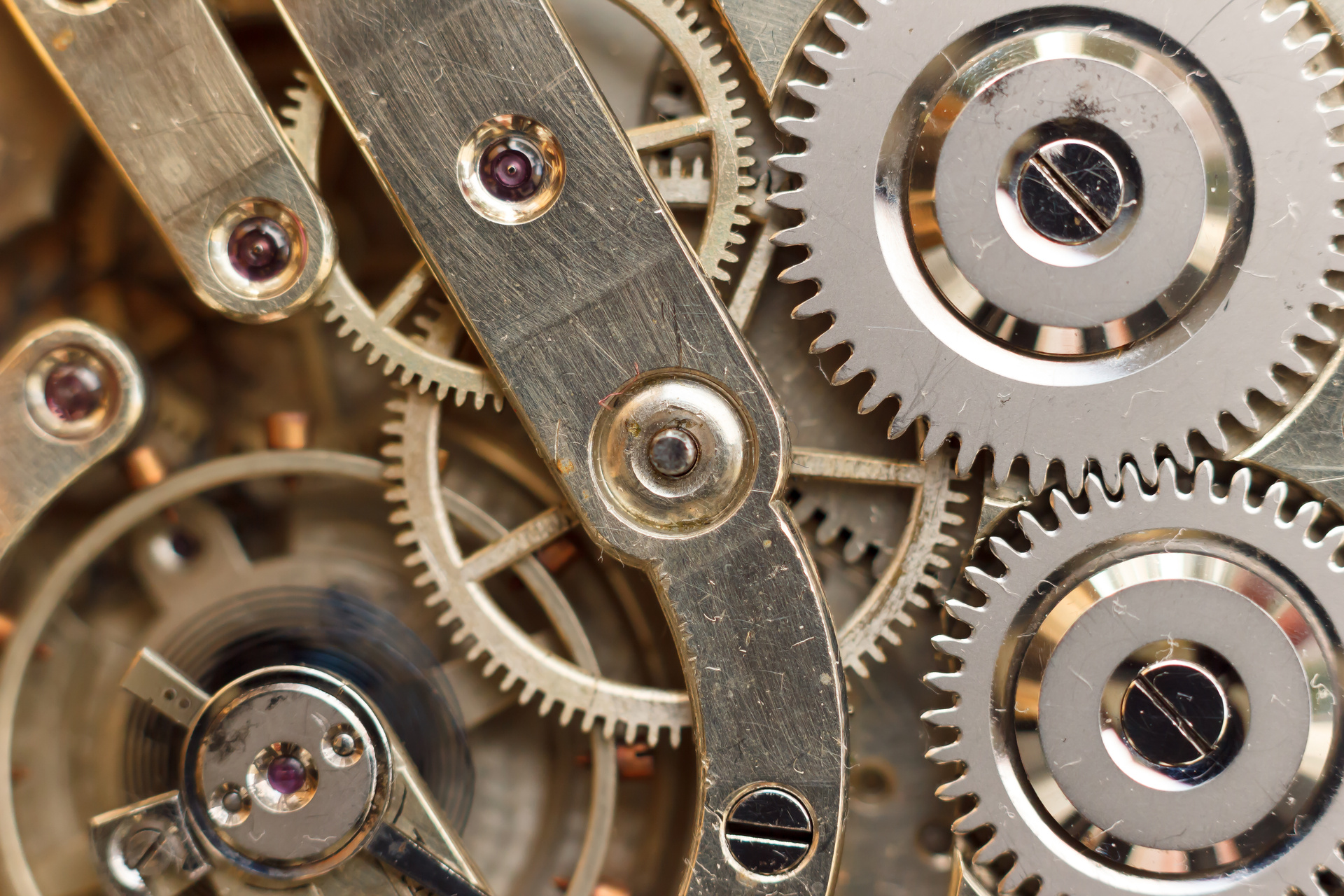

Mechanical watches represent a form of craftsmanship that reflects both engineering and design from a specific period”
METAIRIE, LA, UNITED STATES, April 6, 2026 /EINPresswire.com/ -- — Ken Bowers
Vintage mechanical watches continue to hold a distinct position within the collector community, reflecting a combination of craftsmanship, historical relevance, and mechanical engineering. Despite the widespread availability of modern quartz and digital timekeeping devices, interest in traditional mechanical watches remains steady across multiple generations of enthusiasts.
Mechanical watches operate without electronic components, relying instead on intricate systems of gears, springs, and escapements to measure time. This method of timekeeping dates back centuries and represents a form of engineering that predates modern electronic technology. Collectors often view these watches as functional artifacts that demonstrate the evolution of horology.
The internal construction of a mechanical watch is one of its defining features. Each movement consists of numerous individual components working in coordination to regulate time. The precision required to assemble and maintain these movements contributes to their appeal among collectors who value mechanical complexity.
Vintage models, in particular, provide insight into manufacturing techniques from earlier periods. Differences in design, materials, and construction methods reflect the technological capabilities and aesthetic preferences of the time in which the watches were produced. These characteristics contribute to the uniqueness of individual pieces within a collection.
Condition and originality are significant factors in determining the desirability of vintage watches. Collectors often assess elements such as the dial, hands, case, and movement to determine whether a watch has retained its original components. Signs of aging, including patina, can also influence perception, as they provide evidence of the watch’s history.
Scarcity plays a role in collector interest as well. Limited production runs, discontinued models, and historical events can affect the availability of certain watches. As fewer examples remain in circulation, the demand for well-preserved pieces may increase within the collector community.
In addition to mechanical and historical considerations, vintage watches are often associated with broader cultural contexts. Certain models are linked to specific periods, industries, or individuals, adding another layer of significance. These associations contribute to the narrative surrounding each piece and influence how it is perceived.
Ken Bowers, owner of KenWorks, addressed the continued interest in vintage mechanical watches.
“Mechanical watches represent a form of craftsmanship that reflects both engineering and design from a specific period,” said Ken Bowers. “Collectors often focus on the history and construction of each piece as part of its overall significance.”
Maintenance and restoration are also part of the collecting process. Mechanical watches require periodic servicing to ensure continued operation. Skilled technicians disassemble, clean, and reassemble movements, preserving both functionality and structural integrity. This process allows vintage watches to remain operational decades after their original production.
The tactile nature of mechanical watches contributes to their appeal. Winding a watch, observing the movement of the second hand, and hearing the subtle operation of internal components provide a physical connection to the mechanism. This contrasts with electronic devices, which operate without visible mechanical interaction.
Market dynamics further influence collector interest. Auction results, collector networks, and historical documentation contribute to the visibility of specific models. As information becomes more accessible, collectors are able to research provenance, production details, and variations across different time periods.
Design elements also play a role in the continued interest in vintage watches. Case shapes, dial layouts, and material choices often reflect stylistic trends from earlier decades. These design features can differ significantly from contemporary models, offering an alternative aesthetic that appeals to collectors.
The durability of mechanical watches contributes to their longevity. When properly maintained, these timepieces can continue functioning for generations. This durability supports the concept of watches as long-term objects rather than disposable items.
The relationship between collectors and vintage watches often extends beyond timekeeping. Mechanical watches are frequently viewed as objects that combine engineering, design, and historical context. Each piece represents a specific point in time, both in terms of its manufacture and its use.
As interest in traditional craftsmanship continues across various industries, mechanical watches remain part of a broader appreciation for analog systems. The continued presence of these timepieces within the collector community reflects an ongoing interest in mechanical design and historical preservation.
Understanding the factors that contribute to this interest provides insight into why vintage mechanical watches continue to attract attention. The combination of craftsmanship, historical relevance, and mechanical function supports their position within the world of collecting.
As new technologies continue to develop, the appeal of mechanical timekeeping remains tied to its origins, offering a perspective on both past and present approaches to measuring time.
Morgan Thomas
Rhino Digital, LLC
+1 504-875-5036
email us here
Visit us on social media:
Facebook
Legal Disclaimer:
EIN Presswire provides this news content "as is" without warranty of any kind. We do not accept any responsibility or liability for the accuracy, content, images, videos, licenses, completeness, legality, or reliability of the information contained in this article. If you have any complaints or copyright issues related to this article, kindly contact the author above.
